Discovery Activities

Put yourself in your ancestor's place. Where did they live? What was their life like? What did they eat? Are there any stories about them? When we learn more about them, we connect with them.

Below are some discovery activities that you might consider to help you find out more information about your family.

Discover Your Family's Ancestral Heritage

Discover Your Ancestor's Sad Times

Discover Your Old Family Home Movies

Google Places About Your Ancestors

Explore Ancestral Homelands

How Will Our Posterity Remember Us?

Organize Your Family’s Photos

Create Your Own Personal Stories

Create Stories About Your Ancestors

Explore Your Family’s Heirlooms

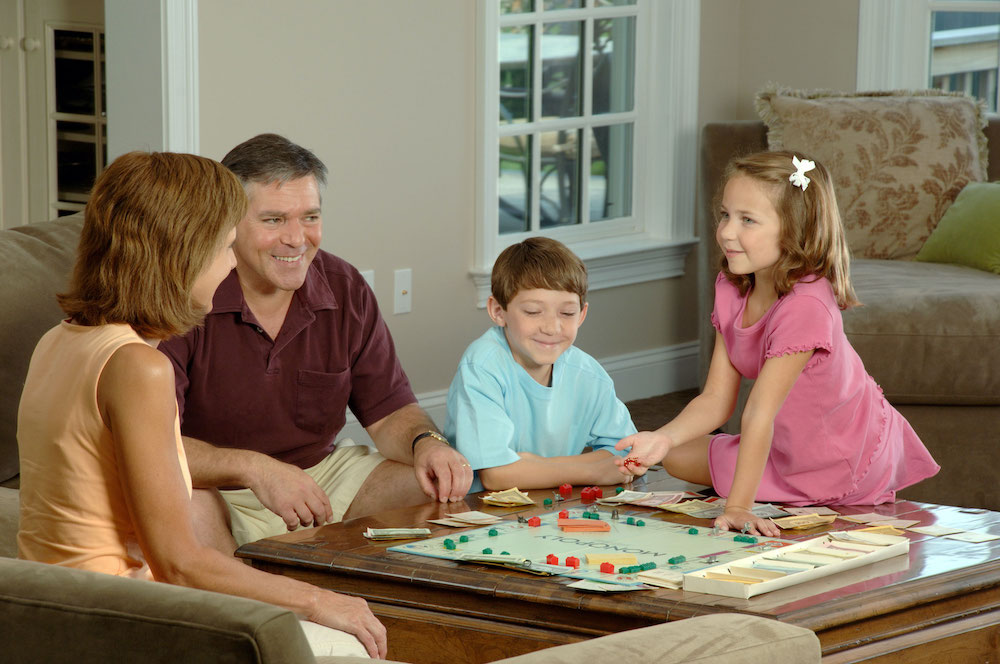
Have a Fun Family History Night

Create a Fun Family Movie

Listen to Old Family Recordings

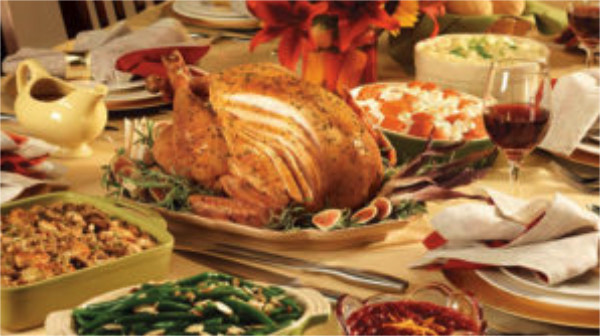
Explore Your Family Food Traditions

Interview G'parents or Other Family

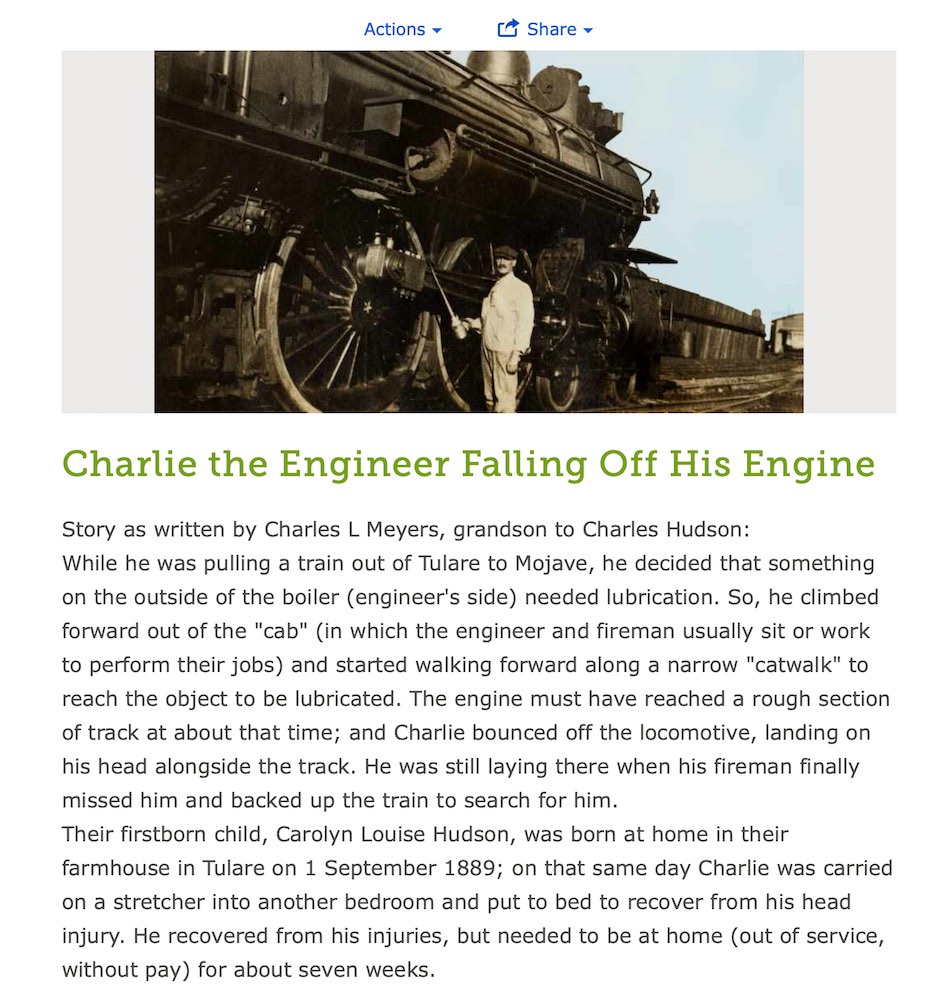
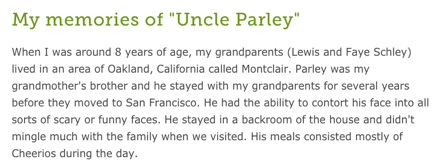
Read Ancestral Stories

Additional Resources

Coming

Missionary Communications Board

© 2026 Stephen A Meyers, All Rights Reserved.

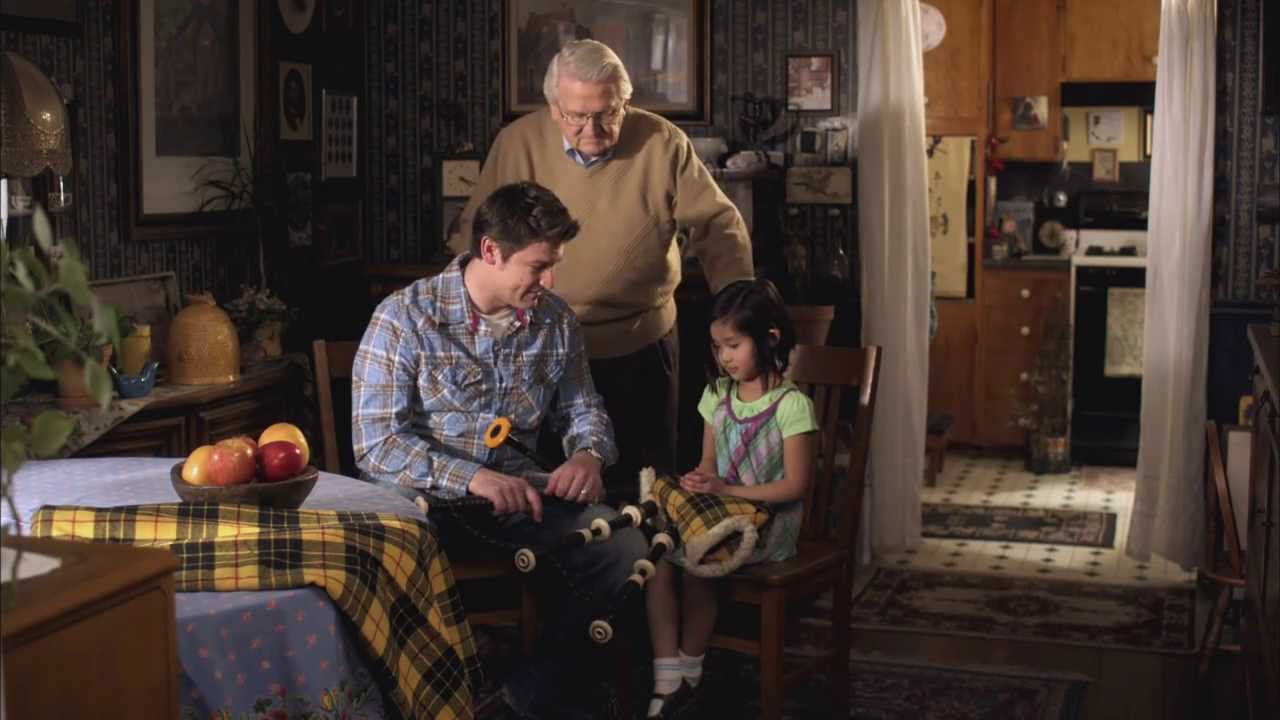
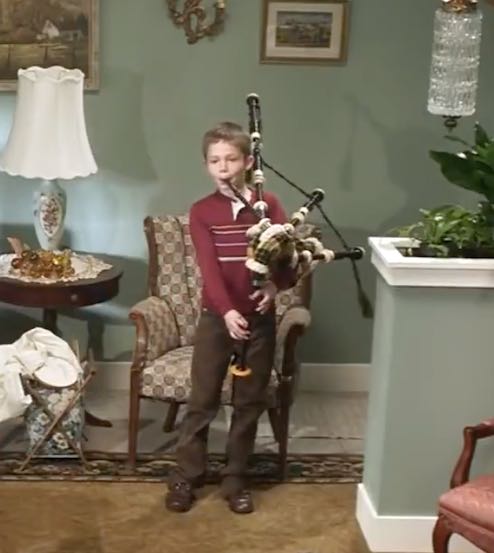
The movie clip above is a true story of a young boy named Jared McCloud who wants to learn how to play the bagpipes. His persistence in learning how to play the bagpipes, much to the annoyance of the family and the neighborhood, gradually gives way to the family wanting to learn more about their Scottish heritage. Jared, as an adult, goes on to play his bagpipes with the Tabernacle Choir at Temple Square. It is so important not to forget that heritage that we come from, and you don't even have to learn to play bagpipes to do so.

Family traditions help to bind generations together, whether it be Christmas, foods, annual festivities, or whatever other traditions. Most every family has their traditions. Can you think of the traditions that has been passed down to you from your families, and now those traditions that you are passing on to your posterity?

Clan McCloud

Read Old Letters Filled With Emotion

Stories help us relate to the emotions that our ancestors felt and can create a strong emotional connection with them. As we read or hear those stories, we can begin to empathize with others that may be going through similar circumstances in their lives.


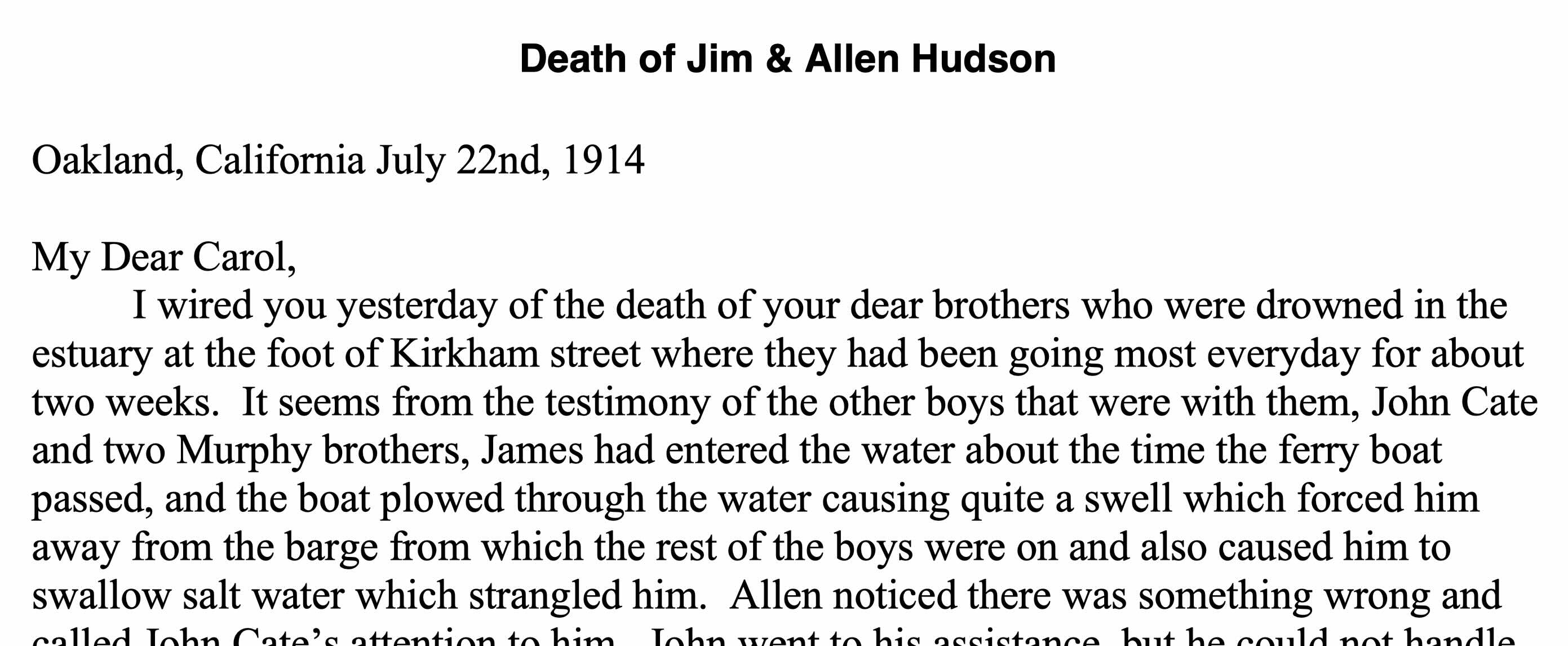
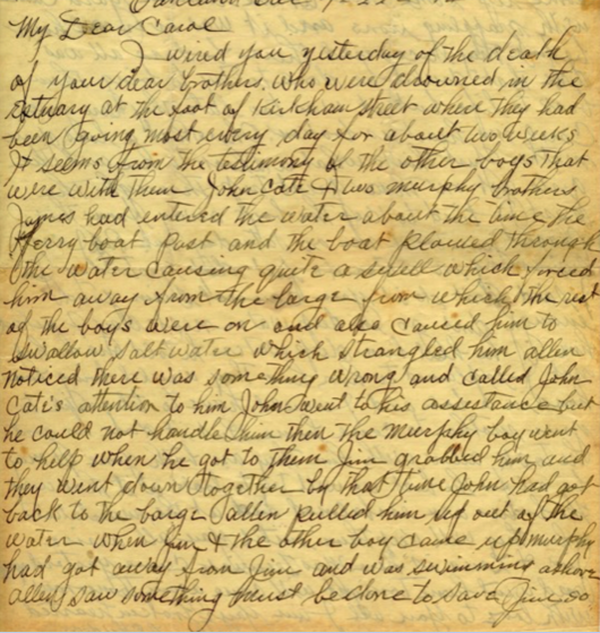
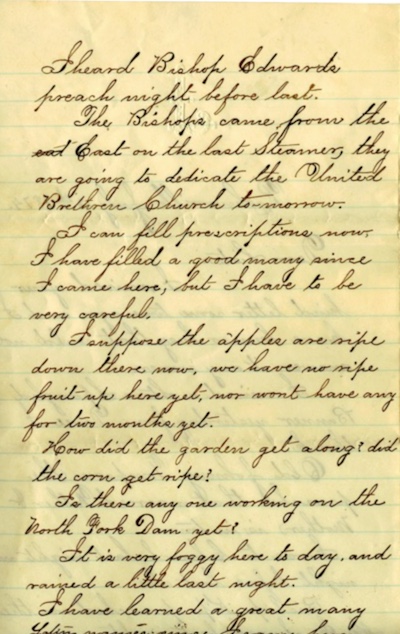
One letter I have in my possession is the letter written by my great grandfather to his wife and oldest daughter, Carol, who were back east visiting. It mentions a heart breaking incident in which his only two boys drowned in the Alameda estuary.

Learn About Preserving Old Letters

Write Down Thoughts and Emotions About YOUR Own Life Events!

We also have our own heritage, our life challenges and successes that we need to share with our posterity. We should be active in preserving our thoughts, stories, and testimonies for our posterity to remember us by.

Take some time to write some brief memories about your life experiences and times filled with emotion, and then SHARE them with your posterity. Along with the story, share your testimony, feelings, or life insights with them as well.

Ancestral stories can pass on to to their posterity those emotions that tell of their challenges in life and how they may or may not have overcome those challenges. We benefit by reading those old letters, or even listening to tape recordings they may have made. As we begin to feel the emotions that they felt, we become more emotionally connected to them.

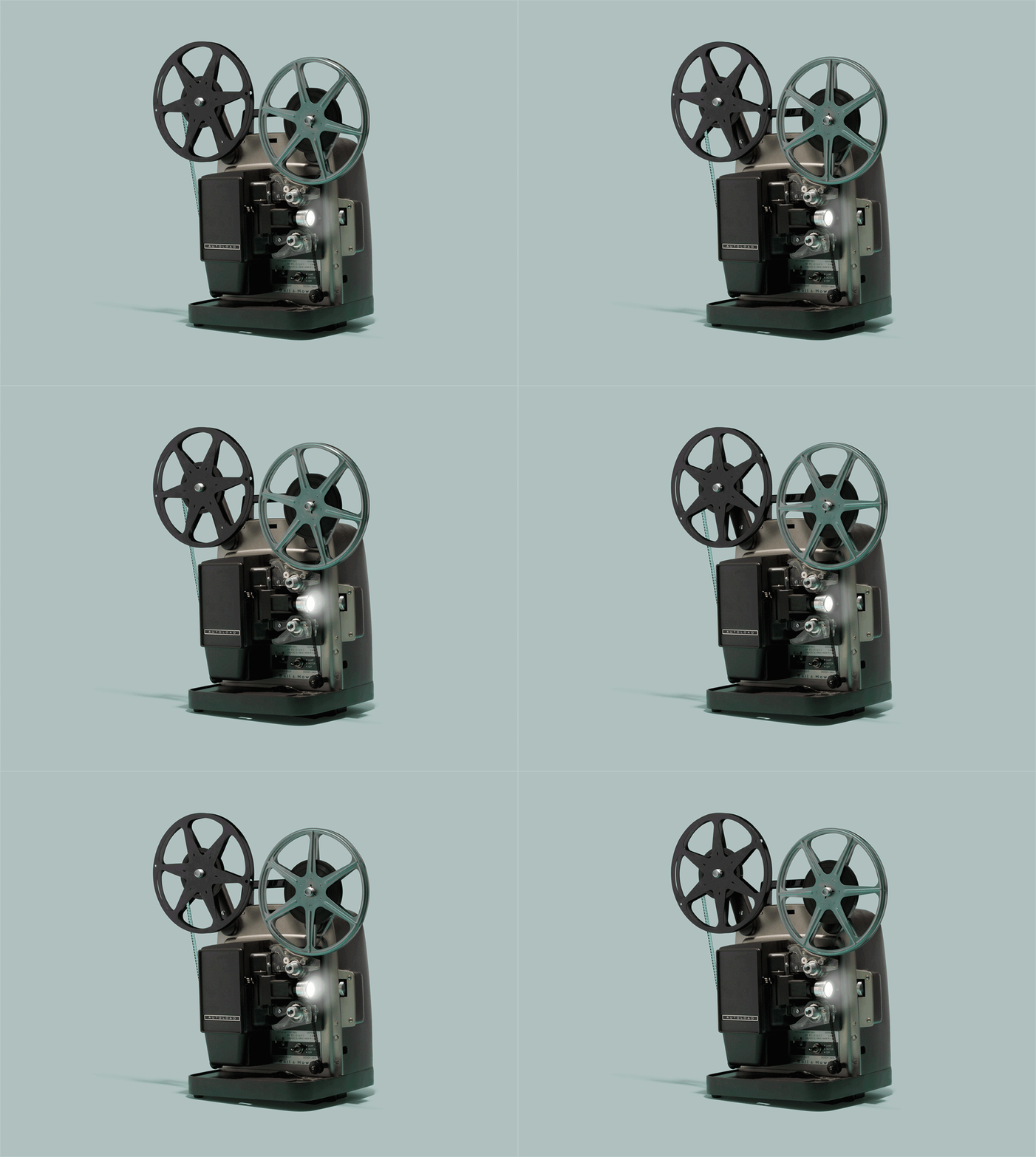
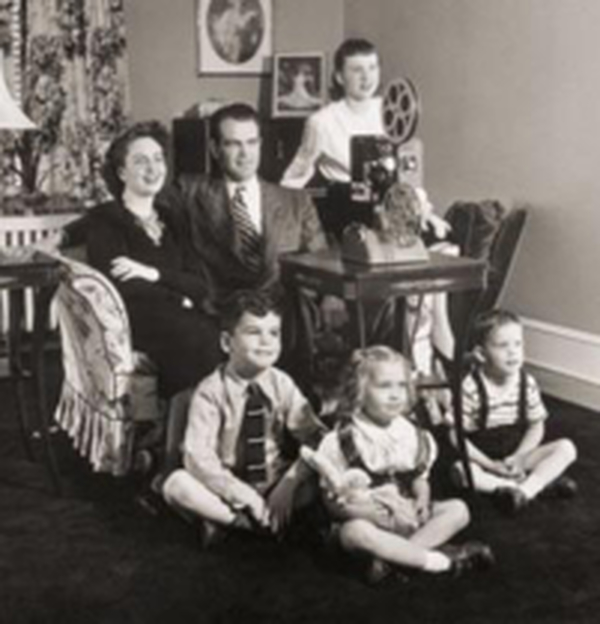
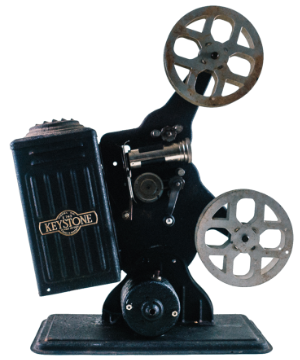
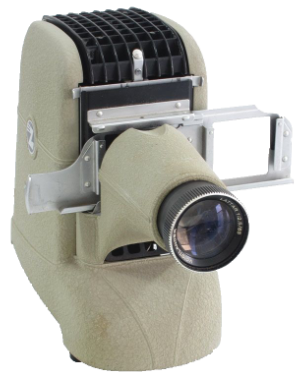
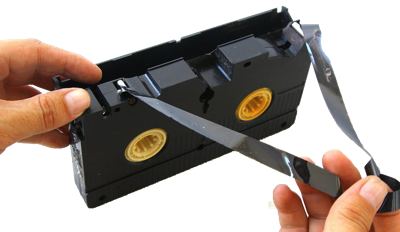
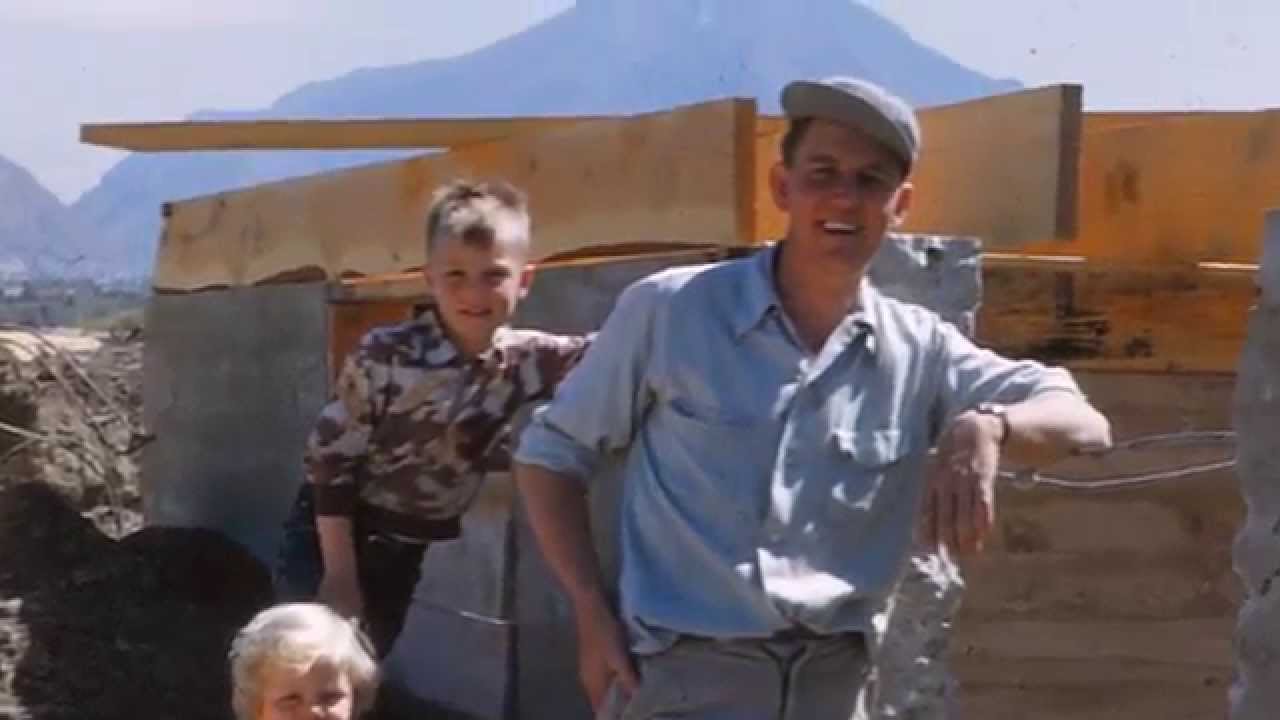
How about having a "movie night" with your family? I remember the days when my family pulled out the old movie projector or slide projector and screen, and showed movies or slides of my parents and us as kids growing up. Why not relive the camping trips, watching the new house be built, the birthday parties, etc with your own movie collection? If you don't have any of the old 8mm or Super 8mm films or family slides, then do you have your family video history on VHS tapes? Oops…Is your recorder still working? Purchasing a new one will cost a premium price since they are no longer manufactured. Have your films or slides begun to deteriorate?


It's time right now to think about digitizing those old movie films, slides, and VHS tapes! Bring your VHS tapes to your local FamilySearch Center, (even some of the smaller Centers may have some of this equipment), and they can help you convert those VHS tapes to a digital format that can be easily copied and shared with others. However, the process is not complicated and also can be done at home with a simple purchased digital convertor.


You will probably want to avoid transferring your VHS tapes to a DVD playable format as even DVDs are becoming a "technology dinosaur" and may not be around in 10 years. The technology is going to the server based streaming option with digitized video files. If you have already had DVDs made, we can help you "rip" the video file off the DVD and save as a digital file as well. And yes…your DVD is still intact after "ripping it".

Poison Oak Acres 1953
Learn About Preserving Home Movies

Using any internet browser you can search for information about your ancestors, such as the places they lived.

Take some time to just see what you may find out there about your family. It is actually quite amazing what you can find on Google anymore.

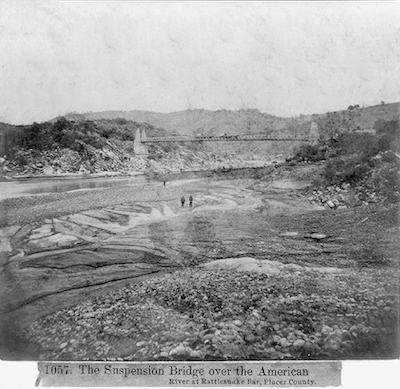
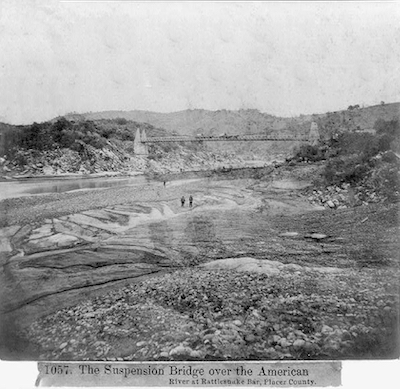
The old photo above was called Gwynn's Bridge, built to span the American Fork River in Placer County, California, from nearby Rattlesnake Bar a small mining town in the middle 1800s. My 2nd Great Grandfather lived there with his family doing some part time mining and running a small grocery store. His little town now is located under water behind Folsom Dam in the Sacramento, California area. Just viewing the photo, I can better imagine what the area must have been like during the times that he and his family lived there. I'm sure that they used that bridge many times going back & forth into the big city of Auburn.

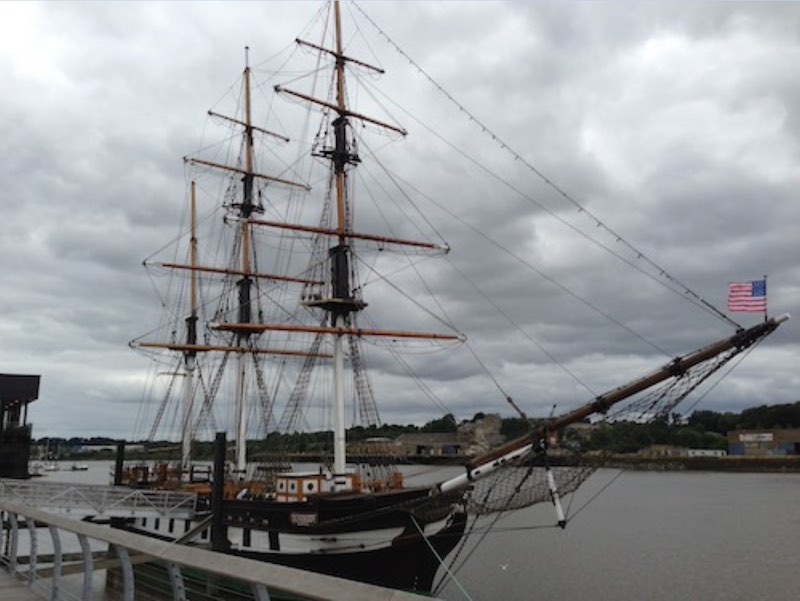
Search for things that may have been everyday sights for your ancestors. The photo below is a replica of the Dunbrody "famine or coffin ships" that carried many Irish emigrants to the USA or to Canada.


My ancestors came from Northern Ireland on ships just like these. While on a tour of Ireland a few years ago, I was able to actually see the small size and characteristics of what these famine ships looked like. I developed a greater feeling for my ancestors as I pictured in my mind what it would have been like to sail the ocean on a small ship such as this.

Try "Googling" for facts about your ancestors!

Where did they live? Is their home still there? What was the city like? Can you find old photos of their city? There are so many things that you can find on Google!

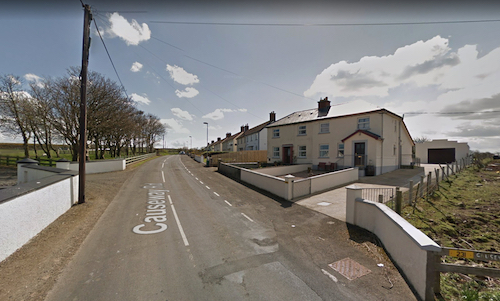
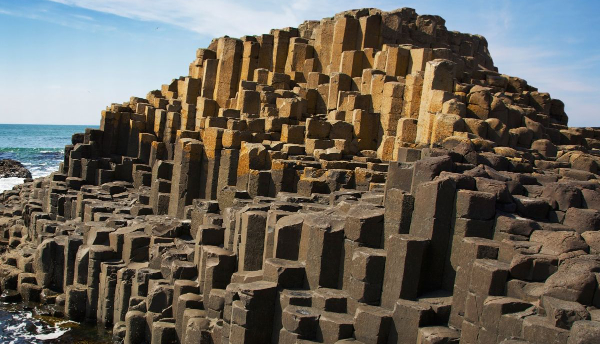
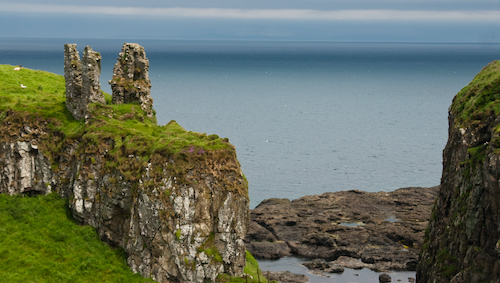
I "drove" around Dunseverick, Northern Ireland using Google Earth and got a better understanding about the the general landscape, housing, farm lands, and even a view of the Giant's Causeway. I saw Dunseverick Castle, which also existed during the time that my 3rd Great Grandfather lived there with his family. Dunseverick Castle is pretty much just a pile of rocks now, but I can imagine it to be a place that he and his family visited almost 200 years ago in the early 1800s.

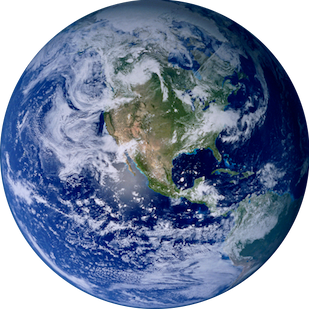
So many places around the world have had their streets charted by Google. There are aerial views of so many different world locations, as well as street views. Pick out an ancestor who lived in a known location, hop onto Google Earth and enter the location information.


Get a sense of what the terrain, city, and other landmarks may have been like when they lived there. Can you find the street they lived on, and perhaps even the same house they lived in? Explore the neighborhood where they lived. For example, I looked up the home street and home address for a home that my great-grandparents purchased in the late 1800s. It was actually quite fun to compare the old photographs of the home with those currently stored in Google Earth.

Journals

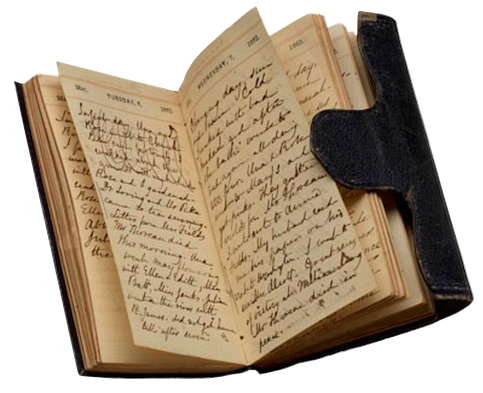
Journals are great to pass on to your posterity your thoughts, life challenges, life experiences, and so forth. In the early 1980s, we were encouraged as church members to begin writing in our journals. For me, it was much less frustrating to organize my thoughts by using a digital medium, like a computer.


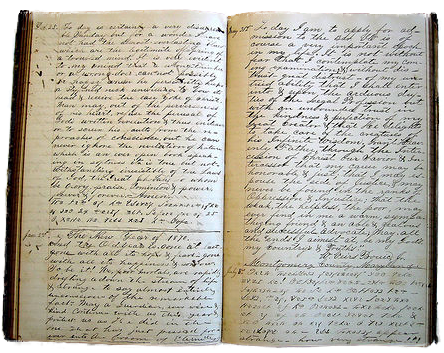
However, it is also fun to see what your ancestors handwriting was like back many years ago. Journals can now be scanned easily and then SHARED with other family members. Journals can also contain short stories of events that could be typed into FamilySearch stories and then shared with others.

Scrapbooks

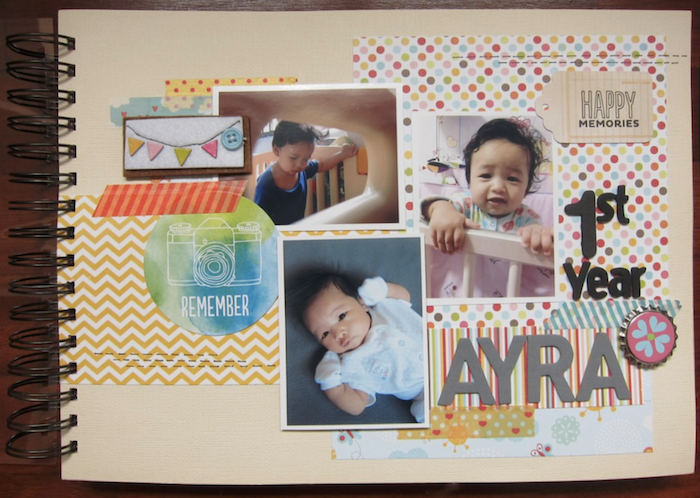
Scrapbooks are also a fun way of expressing your life through a combination of photos and annotations. Don't forget to save a digitized or preserved copy as well. There is nothing like a flood, fire, or theft to wipe out a life full of memories.

Learn About Preserving Your Histories

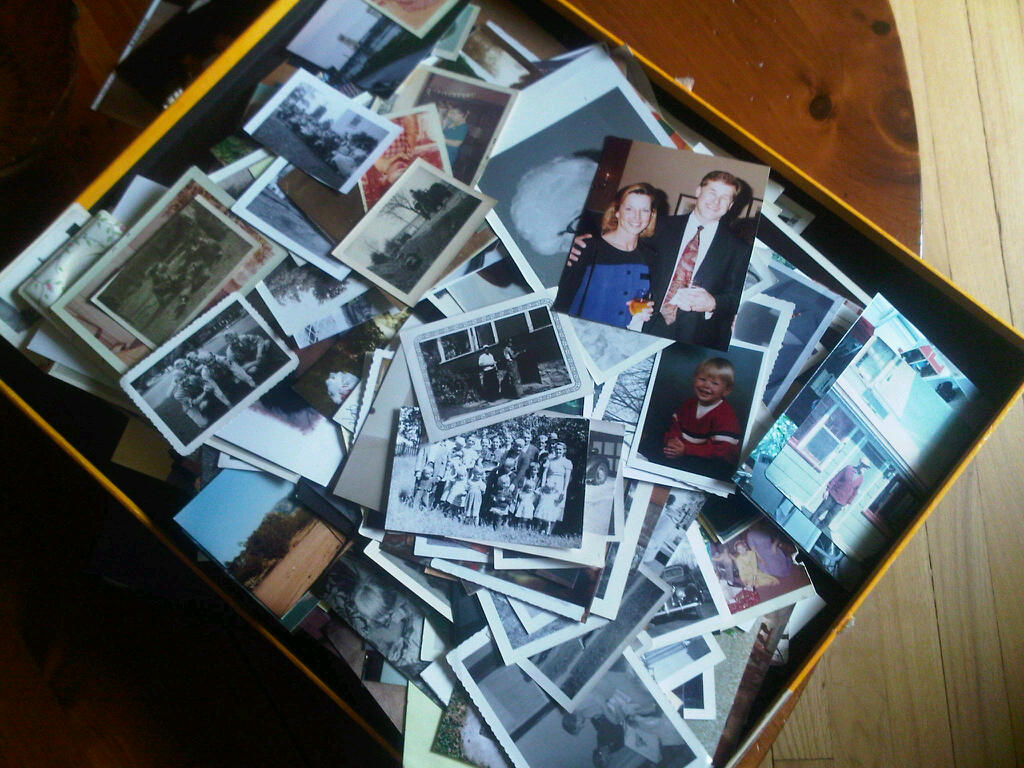
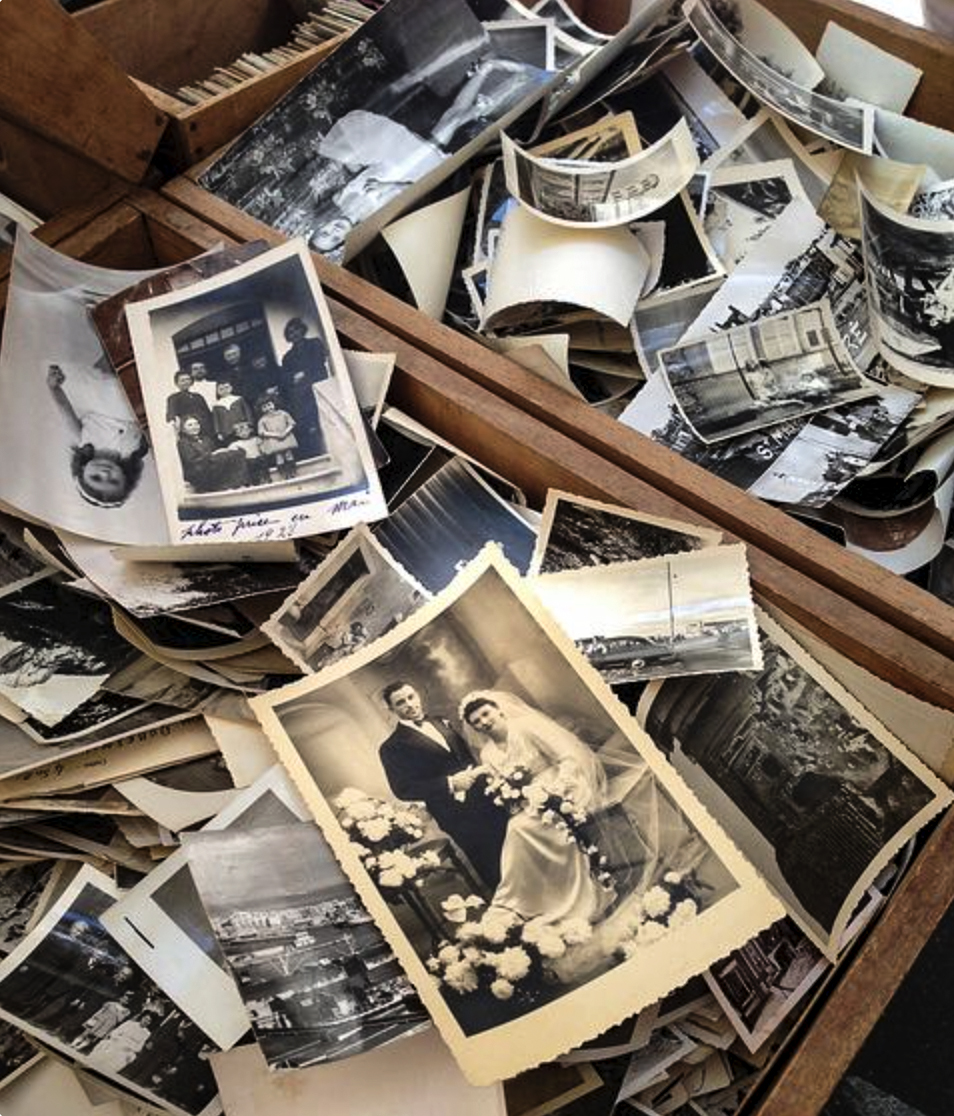
Time to get those old photo albums out! Many of those photos may have mold growing on them, or the colors may be changing, or there is no name associated with the photo. Don't let those people become "nameless faces".

Begin by identifying the people you know in the photos. Those that you don't know? Time to begin asking other family members for help!

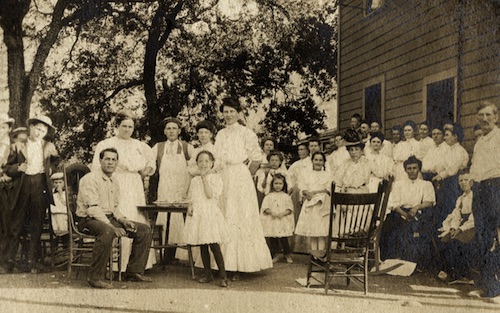
Photos can also give clues about when the photo was taken, by the clothing styles worn, and such. Did you know that little boys were often dressed in dresses around the 1900s? How can you tell a boy or girl apart? Boys had their hair parted on the side and the girls down the middle. Fun Fact.

Don't forget your own immediate family photos. Where are they located? Do you have them all digitized and safety backed up? Are they labeled? Can you find them easily?

The big concern that many folks have talked about in the media is that the current generation of youth and young adults are storing their photos on Facebook, Instagram, and other social media sites. They are not stored in full quality, and will be vulnerable to being lost when accounts close, etc. When this happens, their heritage will have been lost.

Review with your family how they might better protect and ensure that their photos, scrapbooks, etc are safely stored for generations.

Learn About Organizing Photos

A "Memory" is NOT a long history or story! Think of a memory as a "soundbyte" (storybyte?) for family to quickly read about an event that happened in your life. You can create memories of your life in just a few minutes. Put photos with them if you have them. They say that a picture is worth a "thousand words". How much better though is a great photo that has a fun short story attached to it?

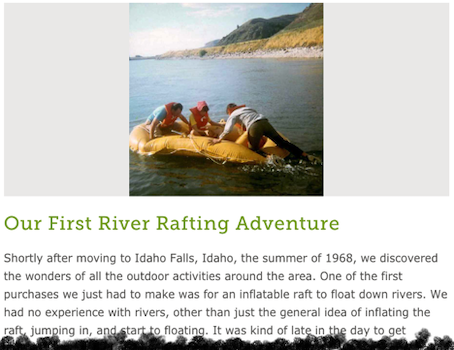
I try to create a "photo/story" once a week about something that happened in my life, and then SHARE that memory or story with my children & grandchildren right from Family Tree. These "memories" will be what my posterity remember me by.

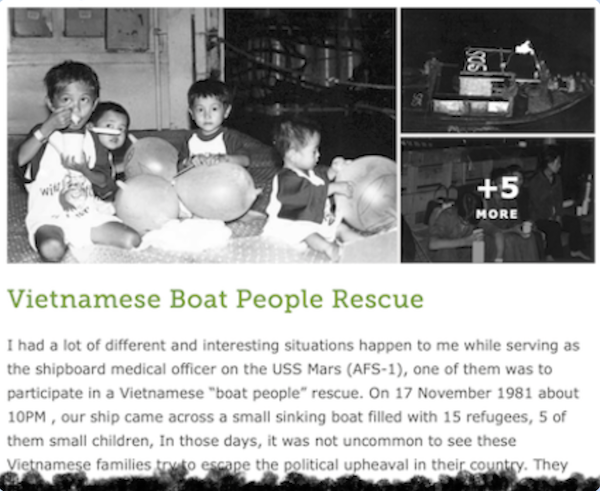
One story I wrote was about being a shipboard medical officer aboard a ship, rescuing a boatload of Vietnamese refugees out in the South China Sea. After I had shared this with my posterity, two of my sons messaged me that they had never heard that story before. I had forgotten that this event happened in my life, many years before they were born.

Stories are a great way for your posterity to get to know you. Be sure to SHARE them with your posterity.

(Click on the Icons to Read Full Stories)

Learn About Creating Personal Stories

I REALLY wish that I had a lot more information about my great-grandparents. Actually, I wish that I also had listened more about the stories that my parents and grandparents had told me over the years growing up. Many of those stories have now been lost to my memory, and also to my posterity.

Luckily my father had spent some time writing down some stories that he remembered about his grandparents and parents. He was an only child, and so there is no one else to pass on that heritage of stories about my dad's family.

“Memories" are NOT long histories, nor even long stories. They could be only one paragraph long. Can you imagine if every child and grandchild of a grandfather began writing a short memory about their grandfather? There would be lots of "remembrances" of who he was, what his life may have been like, and so on. It’s a nice way to learn about an ancestor you may have never met.

It does NOT take very long time to write a memory, 5-10" tops. Take some time to write about a family member. FamilySearch makes it so easy to create these stories and even attach photos to them. Don't just let those stories sit in FamilySearch for others to find them. SHARE them with your family members. Yep! It's very much like a "Facebook for the dead", but far more interesting, right?

(Click on the Icons to Read Full Stories)

Learn About Creating Ancestral Stories

Every family typically has "old things" that have been handed down through the years from ancestors. Touch them. Look at them. I have a wooden vase made of english oak that my father created while in high school about 1945 that sits in our living room. It is important that our children and grandchildren explore those heirlooms as it helps to connect them to their ancestors. Below are some other examples:

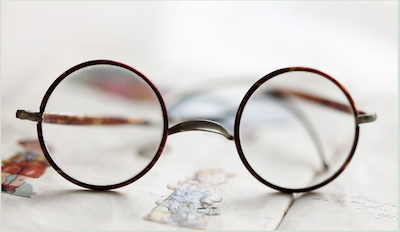
Old pairs of glass from grandparents?

Poem written by an ancestor on an old piece of papers, or an old letter?

Grandma's old wedding dress or her old doll?

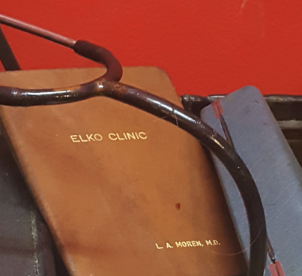
Great grandpa's old medical instruments from when he was a doctor?

Grandpa’s hats

BYU Family History Technology Labs has created a variety of online games that will test your knowledge about your ancestors. Try them out as a family! Click HERE or on the image to the right to go to their website. You will need to sign in with your FamilySearch account.

Games on this site include the following:

Matching Game

Color an Ancestor

Crossword Puzzles

Word Search

Word Scramble

Geneopardy

The links noted are only a very small part of what is out there to discover your heritage and have fun as a family.

Movies are a fun medium to record family events. With the advent of simplified movie editing software, these types of movies are easy to create. Don't know how? Ask your school age children how to do this. They are often taught these skills in middle school.

The movie below is a historical look at a person's dad. Mixing photos, narrative, and video can be a fun project for a special occasion, such as to honor someone for their life.

FamilySearch RememberDad

Create Your Own Recordings

It is a wonderful blessing to be able to hear grandma sing a song in her native language, or to hear an ancestor tell of life experiences.

How many of our families have old tape recordings or cassettes, or stories told on VHS tapes by ancestors? Once the audio has been digitized, these stories can be uploaded to Family Tree. The equipment needed is minimal for audio tapes - a simple standard mini-pin cord with male ends on both sides. If you have a story that you want to extract from the digitized video recording, you would use video editing software to do so. If you are interested, you can Contact Me.

Learn to Preserve Audio Recordings

As a family, come up with some "traditional meals" that your ancestors would cook!


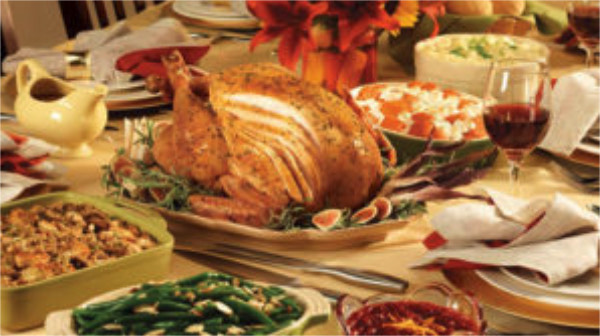
Each of our families have traditions regarding foods, such as grandma's scrumptious roast, favorite desserts, breads, etc. These recipes are passed down through generations. Foods bring memories of smells, tastes, favorite times such as Christmas, Thanksgiving, etc.

Some 30 years ago, my wife took some cooking classes while we lived in Washington State and learned how to cook really good Chinese food. Every year since then when the family all comes together, the kitchen becomes a crowded place with some making spring rolls, and others cooking the fried rice, orange chicken, and other dishes. This has become a tradition for our family.

My grandmother cooked the BEST pot roast, potatoes, and pies. Another scrumptious meal was her filet mignon cooked in this little counter top broiler. I don't think anyone has been able to duplicate her meals, but I will always remember my grandmother for the types of foods that she cooked.

Exploring and cooking favorite foods from an ancestor's homeland is another way to discover and perpetuate traditions down to our posterity.

Learn About Audio Recordings

Our grandparents and parents will have so many life stories to pass on to us that help us to understand them better and to "connect" with them. Their memories are lost if they are not written down or recorded. We need to preserve their heritage by gathering those stories and uploading them to FamilySearch.

Using the FamilySearch "Memories" app on our smartphones, we can easily write a short story (or memory), record an audio recording of them telling a brief story, add a photo, etc. Of course you can also use the FamilySearch Gallery webpage to add these things as well.

Remember the "memories" are not long histories. They are a brief story of an event that happened in their life, or a 3-5" audio recording of a life story. What is really fun once these memories are in FamilySearch, is to SHARE the memory with family members through Facebook, emails, or messages using the webpage link. The individuals receiving the link can view the story without even logging into FamilySearch.

Audio recordings of our ancestors as they tell stories of their lives can be inspiring. These recordings become a part of them, and add to their legacy.

Can you imagine listening to a Danish great grandmother singing a primary song with her Danish accent?

We can help you digitize your cassette tape audio recordings so they can easily be played back on your computer. What a wonderful way of saving a digital file of your ancestor's stories in a shareable digital format! You can even load digital recordings up to 15 megabytes in size to Family Tree to share with others. With some simple editing you can break down a long interview into smaller "soundbytes" of individual stories.

One more thing. If you do have video tapes of your grandparents, or other family members, it is possible to “extract” or pull off the audio track of the video file and edit/upload that audio track to FamilySearch.

Stories in FamilySearch

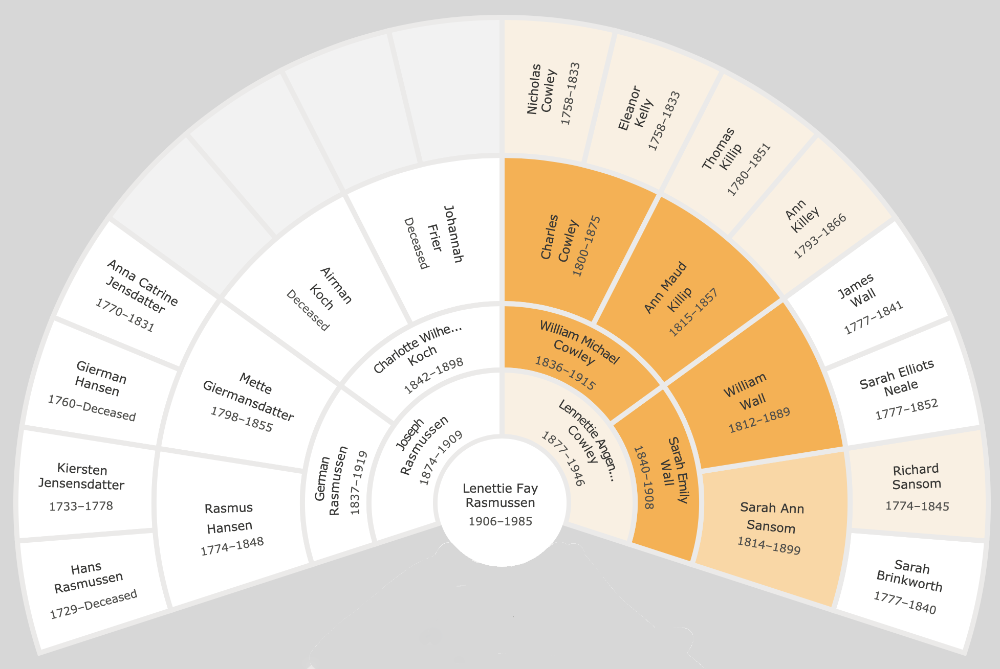
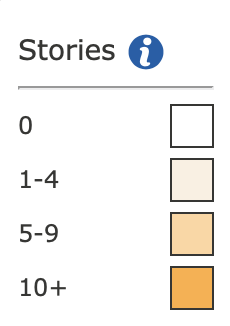
FamilySearch has a new "fan chart" view where you can select to show all the stories available for your ancestors. The darker the color "orange" means more stories available to view. White means no stories.
If your parents or grandparents have no stories, then it's time to write quick stories or memories about them, and then SHARE them with your family.

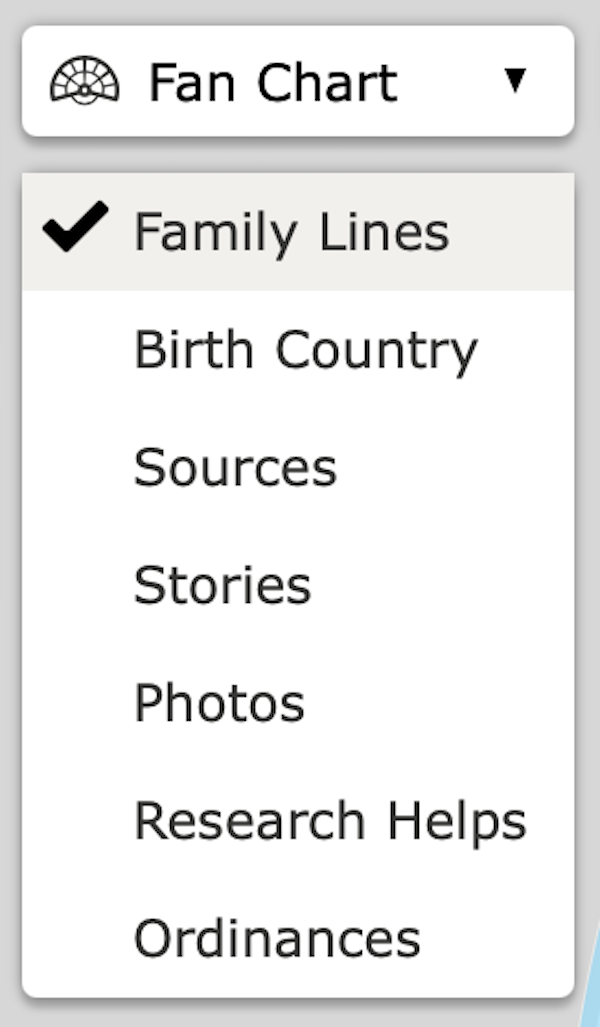
Go to FamilySearch.org sign in, and click on the Tree icon to pull up your family tree. Select the "Fan Chart" view as seen in the left image below. You will see multiple filter options like "Birth Country", "Stories", "Photos". etc. Select the Stories filter.

You will see a small legend like the one on the right below that will give you an idea about which ancestors have how many stories. You can then just click and open up those ancestors you are interested in to read their stories.

Read Old Letters to Your Family

Reading old letters gives us a great idea what their thoughts were about, what life events were of interest to them, feelings for their family and friends, or their feelings that were expressed through letters. There is also the experience at looking at family letters that are old and date into the early 1800s.