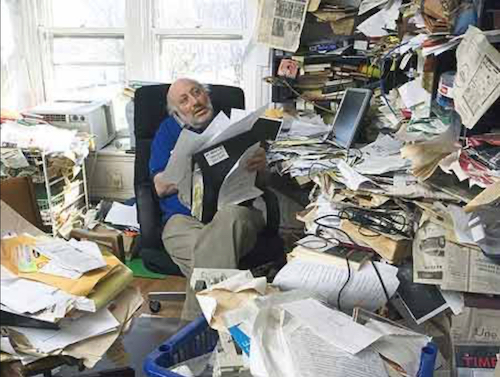
The old African saying "When an old man dies, a library burns to the ground" is so relevant to family history work. The heritage of our past is very often lost because we fail to preserve it. I love to learn more about my ancestors! Of course, I am saying this later in my life, when I have personally become an "ancestor" to 12 children and sixty-five grandchildren. How I wish that I had asked more questions of my grandparents, or other living aunts, uncles, or other relatives when I was much younger! So much information could have been been written down for my posterity to know of their heritage. The other day I was thinking about my paternal grandfather. I knew that he had been a "Special Agent" for the Southern Pacific Railroad down in the Tucson, Arizona area, but I didn't really know what his occupation entailed. So, out of curiosity, I went onto Newspapers.com and searched for him by name and location. I found a good fifteen or so newspaper articles about how he was called to investigate different robberies, property vandalism, and so forth. He even translated for a non-English speaking French woman whose husband had just died of a heart attack on the Tucson, Arizona railroad station platform. He had served in France during World War 1. I collated all these articles into a single PDF file and shared them with my siblings and my children. I looked like a great family history researcher to them, and they were amazed at my "finds". I don't know much about my maternal grandfather, except that he was the Vice-President of the Pacific Fruit Express, one of the railroad llnes that transported fresh fruits and vegetables. I have a lot of photos of him, but my memories of our visits with him are filled with him either working in the yard, or napping on the couch. We lived at the opposite end of California to my grandfather, so we didn't get to visit often. Wouldn't it be great if all the grandchildren (who did live by my grandparents) began to write down 3, 4, or ten short memories about him? Those memories could be shared onto FamilySearch and soon a larger "story" would begin to emerge about his life. "Family History" is truly a family affair when it comes to preserving the heritage of a person's life. For more information on creating stories, please check out How to Create Stories.
This weeks challenge:
Additional Activity
When an Old Man Dies, a Library Burns Down
By Stephen Meyers — Published: 1 March 2026